
Video editing & story
We shape your footage into a story through structure, performance and rhythm. Our editing work covers campaign films, interview narratives and product stories.
- Film editing
- Interview-led narratives
- Campaign cutdowns
NaF+ shapes your footage into finished films through video editing, colour, sound and finishing. We manage the post-production process and bring the right specialists together for your project.
Discuss your post-production briefExplore the serviceWe find the structure, rhythm and feeling in your footage. Our post-production team brings editing, colour and sound together to give your film a clear point of view.
Built around your brief.
Shaped for your audience.
A clear creative direction.
A production plan to get there.
We review your footage and brief, then define the editorial approach, finishing work, review stages and delivery requirements.
We build the edit and work through your feedback, shaping the story before carrying it into the supporting versions.
We coordinate colour, sound and graphics, check the finished assets and hand over your agreed delivery files.
Our team turns your idea, audience and deadline into a clear production approach. We’ll develop the scope and coordinate the work, from the first conversation to delivery.
Explore our production planning resourcesNaF+ takes your film from raw footage to finished delivery. We manage video editing, colour, sound and finishing, bringing the appropriate creative and technical collaborators together around your project. You get a defined scope, an agreed review process and a team coordinating the work through to the final files.
We handle post-production for our own productions and for footage shot by other teams. Our work starts with your brief and the material available: the performances, interviews, action and images that will carry the film. We develop the editorial direction and manage the finishing stages around the story you want to tell.
Our productions show that collaboration on screen. On The Sound of Japan, G&L are credited for direction, cinematography, editing and creative audio composition; Karin Sugiura for sound mixing and mastering; and Jithu Appu for colour. Explore the selected projects above to see the finished films and the people behind them.
We review your footage, build the structure and shape the pace of the edit. Our editing work covers brand campaigns, interviews, company stories and product demonstrations, with the approach developed around the material and audience.
For a corporate film, we bring several interviews into a coherent narrative. For a product film, we build the sequence around what customers need to see and understand. Campaign edits draw on performance, visual rhythm and the moments that give the creative idea its character.
We manage the agreed review stages and work through your consolidated feedback. Your team has a clear opportunity to assess the structure, message and details before we move into finishing and supporting versions. We coordinate the editorial decisions across the project so the creative direction stays consistent.
We bring together the finishing disciplines your film needs and coordinate their work against the approved edit. Our post-production services cover:
Your brand assets, visual references and any voice-over requirements inform the finishing brief. We carry the approved graphic design and creative direction through the film, with the product and brand details included in the review.
We also work with production teams before a shoot where visual effects or graphics affect how the footage needs to be captured. That connects the on-set requirements to the post-production work and gives the specialists the material they need.
We create the delivery versions your campaign needs: shorter edits, different aspect ratios, language variations, captions and alternative end frames. Each version is prepared and checked against the agreed asset list.
Our team coordinates technical specifications, naming and handover with your publishing, media or distribution partners. We prepare the files for the confirmed broadcast, event and online requirements, with final delivery built into the post-production schedule.
For social media content, we adapt composition, graphics and editorial structure to the placement. Your vertical film and shorter campaign edits receive their own finishing checks, keeping the creative direction consistent across the final assets.
Already have footage? We review your source files, audio, existing edit and supporting assets, then define the post-production work we can deliver. Our assessment covers technical quality, coverage and the permissions relevant to the brief.
We agree the project handover with your team, including folder structure, proxies, missing media, file transfer, backup responsibilities and the period working media needs to remain available. Where an existing edit uses music, graphics or other third-party material, we identify the information and permissions needed to continue the work.
You receive a scope and schedule based on the actual material, with any technical limitations identified before the edit begins. Our production resources include a delivery planner for gathering the required versions. If your project also needs filming, our video production services bring the shoot and post-production into one brief.
We provide video editing and coordinate colour grading, sound design and mixing, titles, motion graphics, scoped VFX and delivery versions. Your proposal identifies the combination of services, review stages and final files included in your project.
Yes. We review the footage, audio, project files and usage permissions, then take the agreed editing and finishing work through to delivery. We identify any gaps in the source material before confirming the scope.
We quote against the material, editorial complexity, finishing requirements, review rounds and number of deliverables. Your proposal sets out the work and assumptions so you can see what the budget covers before commissioning us.
We build review, revisions and final checks into your post-production schedule. The time needed depends on the work and your approval process; we agree those stages with your team around the launch date.
Yes, where the available film and source material support the new brief. We assess the project files and develop the shorter edit around its message and placement, then deliver the agreed versions.
We agree the handover at the briefing stage. If you need editable projects, source media or separate audio elements, we identify those in the scope along with any third-party assets or licences affecting their use. They are not automatically included with the finished film.
See how editing, colour and sound come together in our productions, with the editorial and finishing collaborators credited below.
Explore our work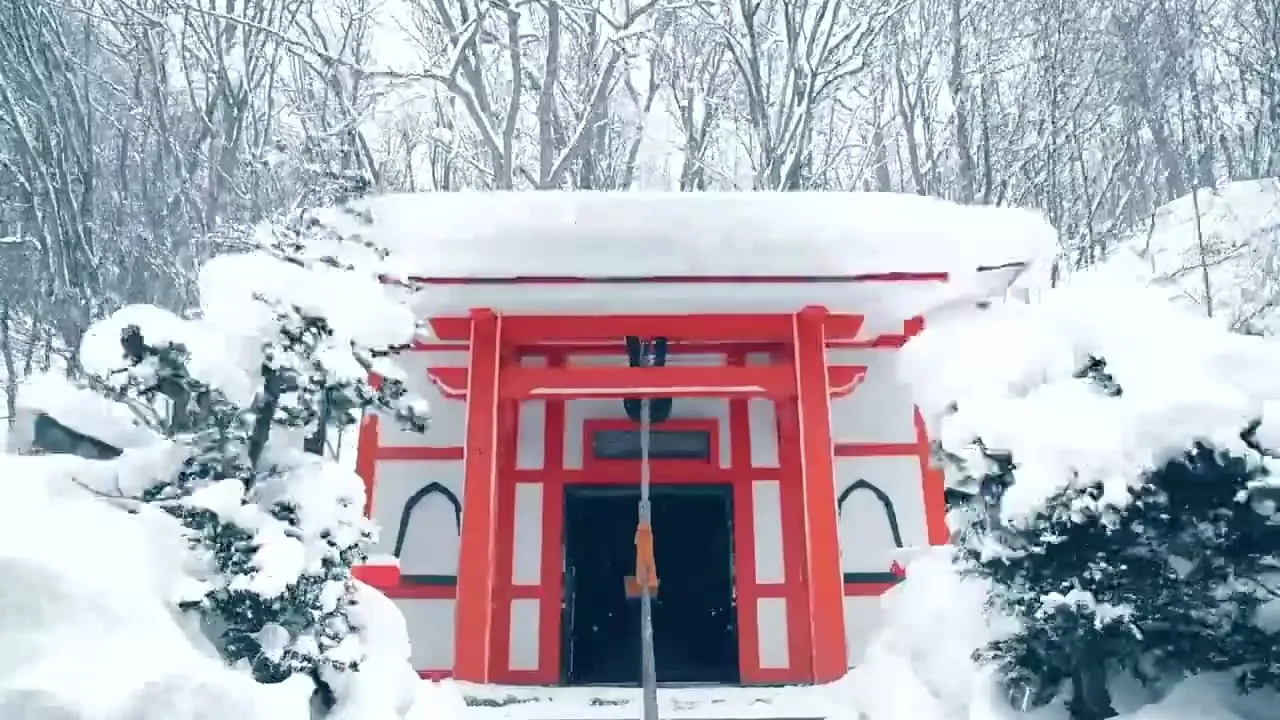
A Hokkaido destination film for JNTO, produced by NaF+BrandFilms. G&L directed, filmed and edited; Jithu Appu graded the film and Karin Sugiura handled sound mixing and mastering.
Production: NaF+BrandFilmsDirector, DOP & Editors: G&LSound Mixing & Mastering: Karin SugiuraColourist: Jithu Appu
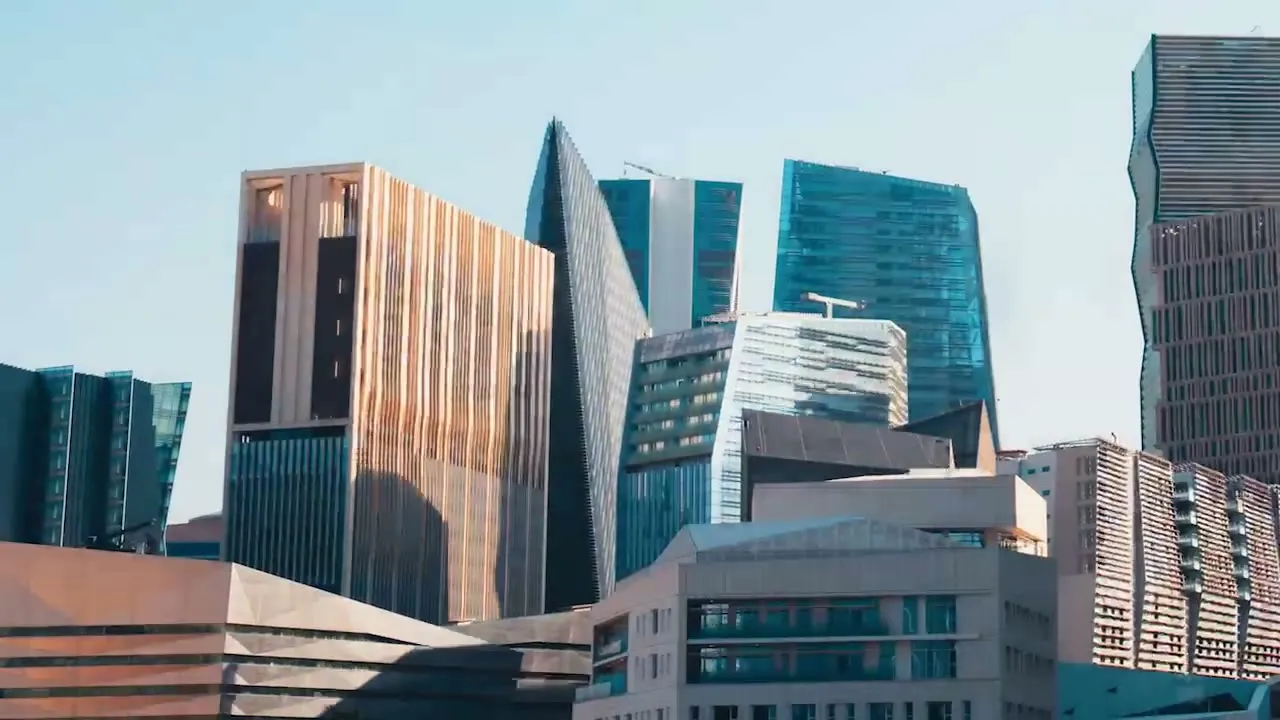
A launch campaign for CEER, produced by NaF+BrandFilms with creative by Dentsu, The Creative Cartel and THEM AGAIN. G&L are credited as directors and editors.
Production: NaF+BrandFilmsDirectors / Editors: G&L