Product launch films
We produce launch films that introduce your product with a clear creative idea. From the first reveal to the final frame, we build the film around what makes it worth noticing.
- Launch films
- Brand introductions
- Campaign assets
NaF+ produces product launch films, demonstrations and campaign content. We turn the details that make your product different into a film your customers can see, understand and connect with.
Discuss your product filmExplore the serviceWe bring your product to life through the right story, setting and detail. From a first reveal to a clear demonstration, we produce films that make its purpose tangible.
Built around your brief.
Shaped for your audience.
A clear creative direction.
A production plan to get there.
We get to know your product and audience, then develop a creative approach around the message your launch needs to communicate.
We organise the shoot and shape the lighting, settings and action around your product, giving its important details time on camera.
We edit and finish your films, incorporate your product checks and deliver the agreed versions for your launch.
Our team turns your idea, audience and deadline into a clear production approach. We’ll develop the scope and coordinate the work, from the first conversation to delivery.
Explore our production planning resourcesNaF+ produces product videos that introduce what you make and show why it matters. We create launch films, demonstrations and campaign content for physical products and digital services, handling the production from the creative approach through the finished edit.
Your product gives us the starting point: a useful feature, a distinctive design or a different way of doing something. We turn that into a story built for your target audience. A launch film can establish the world around the product; a demonstration can make an action or feature clear. Our team develops the treatment, organises the shoot and brings the footage, graphics and sound together in post-production.
Our launch work includes production by NaF+BrandFilms on CEER’s campaign. For Introducing Google Trips, Across the Pond holds the agency/production credit and NaF+WWServices (NEEDaFIXER) provided film services. Explore both projects above for the films and full credits.
We create product videos for the moments when customers discover, consider and use your product. Your website, advertising, retail, event and social placements inform the creative approach. We work with your marketing team to understand where each film fits in the sales process and what potential customers need to see.
Our product video production service includes:
For paid advertising, we connect this work with our commercial production service. We also create social video versions, planning the shorter edits alongside the main product film so the shoot captures what each channel needs.
We turn the approved treatment into a practical shooting plan. Our production team coordinates settings, lighting, crew and equipment around the product, its availability and the action we need to capture. We work with your product specialists to confirm the sample, finish, branding and details that will appear on screen.
For physical products, we plan handling, preparation and demonstrations before the shoot. Reflective surfaces, fine detail or movement receive the lighting and camera approach they need. We use close-ups to highlight features and wider sequences to show the product in use. Where a material or movement needs testing, we include test shoots in the agreed scope.
For digital products, we work from your approved interface and user journey. We coordinate the screen capture or demonstration material with your team, including any sample data and approval requirements. If the interface is still developing, we account for those updates in the schedule.
Concept development and production planning happen together. You get a shot list and schedule built around the scenes that matter to the product, with the practical requirements addressed before filming begins.
We edit your product footage into the main film and the agreed supporting versions. Our post-production service brings video editing, colour, graphics and sound together, while your team reviews product names, features and on-screen claims for accuracy.
We produce the shorter edits, aspect ratios and language versions included in your scope, with separate detail sequences where required. If your campaign needs stills or animation alongside filmed content, we include the appropriate specialists and deliverables in the production proposal.
Your final files are prepared for the agreed website, retail, event, paid media or social placements. We confirm delivery specifications with the receiving team and organise the handover so each asset has a clear destination.
We build the quote around your product, creative treatment and delivery list. The number of products, setups, shoot days and locations shapes the production, alongside talent, art direction, specialist equipment, animation and finishing.
Our proposal identifies the included work and any optional assets, giving you a clear basis for choosing the production approach. We work with your budget, launch date and product availability to focus the effort where it matters most. The production resources include budget and delivery templates, and our team will help turn your initial brief into a defined scope.
Yes. We plan around your product availability, access and confidentiality requirements. Before filming, we agree which approved sample or representation will appear and who on your team will sign off the details.
Yes. We develop a creative approach that connects the range, then plan the individual coverage each product needs. Where your campaign requires separate product edits, we include them in the shoot and post-production scope.
Yes. We bring the relevant specialists into the production and build those elements into the creative treatment. Your existing design assets and the information the film needs to explain guide the approach we propose.
A product description, audience, intended placements, launch date and working budget are useful starting points. References, brand guidelines and sample availability help us prepare a production approach. You do not need a completed treatment before speaking to our team.
Discover our production work on CEER’s launch and our film services for Introducing Google Trips.
Explore our work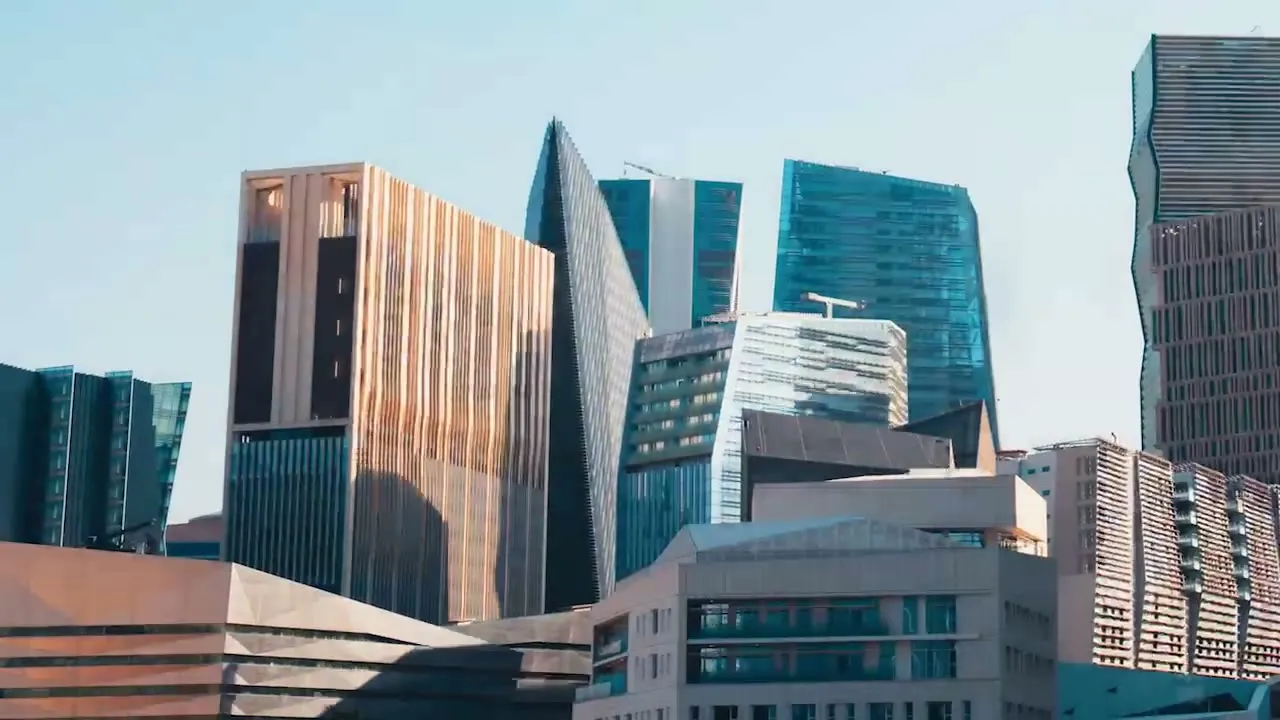
A launch campaign for CEER, produced by NaF+BrandFilms with creative by Dentsu, The Creative Cartel and THEM AGAIN. G&L are credited as directors and editors.
Production: NaF+BrandFilms
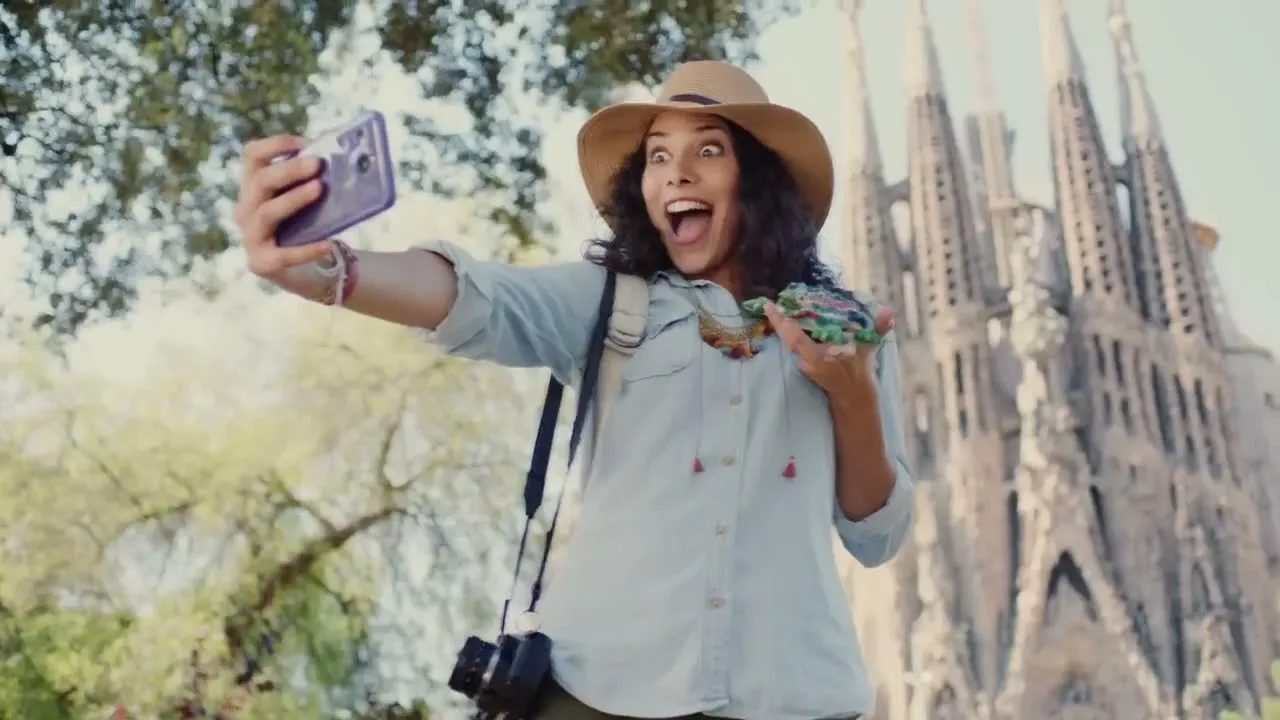
A film introducing Google Trips and its itinerary features. Across the Pond is credited for agency/production; NaF+WWServices provided film services.
Agency/Production: Across the PondFilm Services: NaF+WWServices (NEEDaFIXER)