
Campaign films
We produce campaign films built around a clear idea, memorable performances and purposeful images. The main story gives your social content a creative direction to build on.
- Hero films
- Campaign stories
- Brand-led content
NaF+ produces social media videos for brands and agencies. We turn your campaign idea into films, short edits and platform versions, with the shoot and post-production managed together.
Plan your social campaignExplore the serviceWe produce the main film and the supporting content as one campaign. Each edit gets its own opening, pace and purpose, with your creative idea running through them all.
Built around your brief.
Shaped for your audience.
A clear creative direction.
A production plan to get there.
We turn your creative idea and channel plan into a defined set of films, formats and delivery dates.
We organise the production and capture the openings, performances, product details and closing moments each edit needs.
We edit and finish each version for its placement, then hand over the agreed files to your publishing or media team.
Our team turns your idea, audience and deadline into a clear production approach. We’ll develop the scope and coordinate the work, from the first conversation to delivery.
Explore our production planning resourcesNaF+ produces social media videos for brand launches, advertising campaigns and dedicated content briefs. We take your creative idea through production and post-production, creating the main film and the supporting edits your channels need. Your campaign gets a connected set of assets with a clear visual direction and a practical delivery plan.
We work directly with brands and alongside creative agencies. Whether you have an approved concept or need help shaping the production approach, our team brings together the shoot, editing and finishing. We build social content into larger commercial productions as well as producing focused social shoots.
Our campaign portfolio includes production by NaF+BrandFilms on meem’s “Don’t Be Like Sultan” and film services by NaF+WWServices (NEEDaFIXER) on adidas Formotion, with Creative Blood credited for agency/production. Explore the films above for the work and the teams behind it.
We produce social videos around your channel plan and target audience. For Instagram, TikTok, YouTube or LinkedIn, our team plans the framing, pacing and text treatment for the placements in your brief. Instagram Reels, YouTube Shorts and longer videos receive the edit and format they need, with checks on mobile devices before delivery.
Our social media video production service covers:
We define the asset list with you before production, including edit counts, durations, formats and languages. Your social media strategy informs the creative and delivery decisions we make. When the product leads the brief, our product video production service brings the launch film and supporting social content together.
We organise each shoot around the films we are delivering. Our shot list identifies the shared campaign footage and the dedicated material each version needs: alternative openings, product close-ups, performances and closing lines. Crew, talent, locations and props are coordinated around that plan.
We leave room in the composition for captions and graphics, capture the coverage needed for a strong edit and schedule alternative takes where they serve the campaign. When social content sits alongside a larger film production, we manage the priorities so the supporting assets have their own place in the shooting schedule.
Your content calendar also shapes our delivery schedule. We agree review and handover dates for teasers, launch films and supporting pieces, so your publishing team knows when each asset will be ready for approval. You get one coordinated social media video production process from the shot list through to the final files.
Our post-production team builds each edit around its message and placement. We create openings, sequences and endings that work for the individual video, then carry the campaign’s visual direction through the sound, text and graphics.
We manage the review stages with your brand and agency teams, incorporating consolidated feedback and preparing the agreed versions after the main direction is approved. Creative work, factual checks and final sign-off have a clear place in the schedule.
We deliver labelled, organised files to your publishing or media team. Our service here is film production; media buying, account management and performance reporting remain with the partners assigned to those roles. We work to their supplied delivery requirements so the handover supports the wider campaign.
We quote against your creative approach and asset list. The proposal covers the agreed shoot days, locations, talent, editing and finishing, with language versions, animation, music and usage requirements identified in the scope.
For a large content brief, we help you prioritise the main films and supporting versions around your budget. A shared shoot can supply several edits; independently scripted films may need separate production time. We make those distinctions clear in the proposal. Our campaign delivery planner provides a place to gather the initial asset list, and our team will work through it with you.
Yes. We build vertical deliverables into the creative and shooting plan, allowing for the framing, staging and graphics each version needs. The agreed vertical edits are included in our post-production and delivery scope.
Yes. We produce approved agency concepts, turning the treatment, scripts and delivery list into a practical shoot and post-production plan. We work with your creative team through production, review and final approval.
Yes. We produce captioned or text-led versions alongside sound-led edits. We agree the language requirements and text treatment during development, then include those versions in the review and handover.
Yes, where the source material supports the brief. We review your files, coverage, permissions and technical quality, then propose the edits and finishing work we can deliver from that footage.
For Sainsbury’s Bank, we produced the main TV commercial and related social media assets. Explore that campaign alongside our production for meem.
Explore our work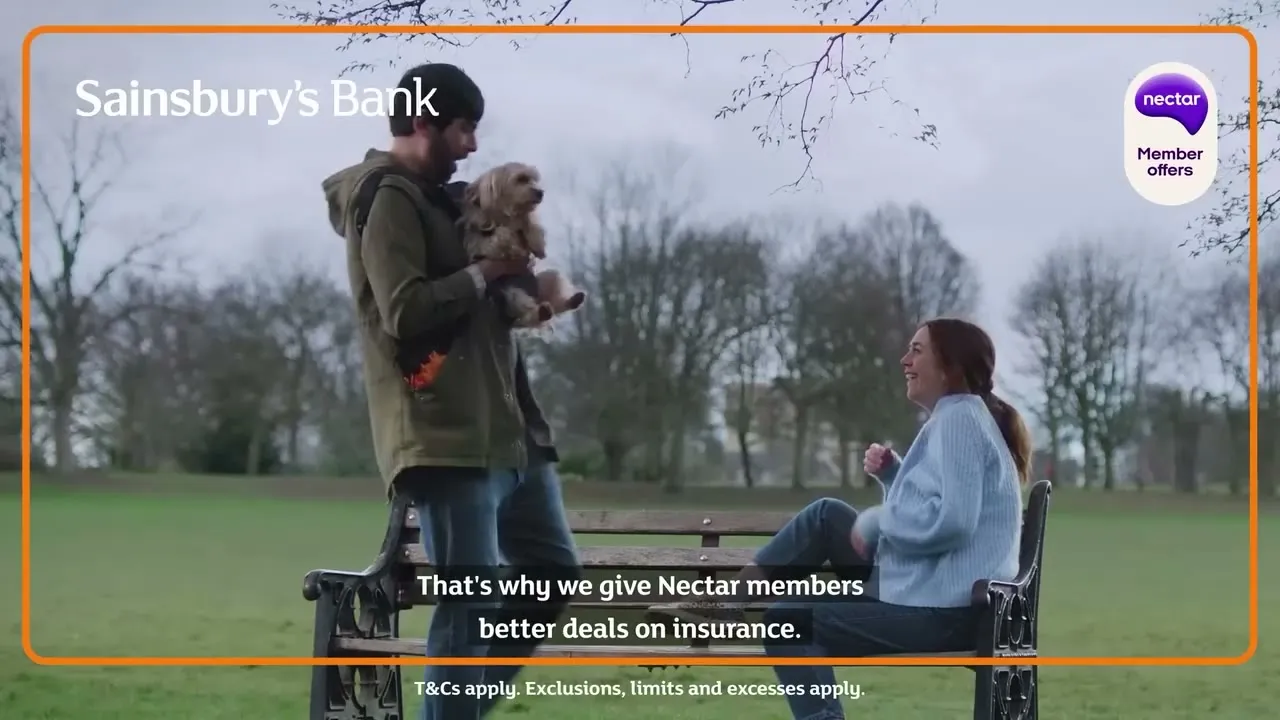
NaF+BrandFilms produced the main TV commercial and related social media assets for Sainsbury’s Bank, with The River Group credited as agency.
Production: NaF+BrandFilms
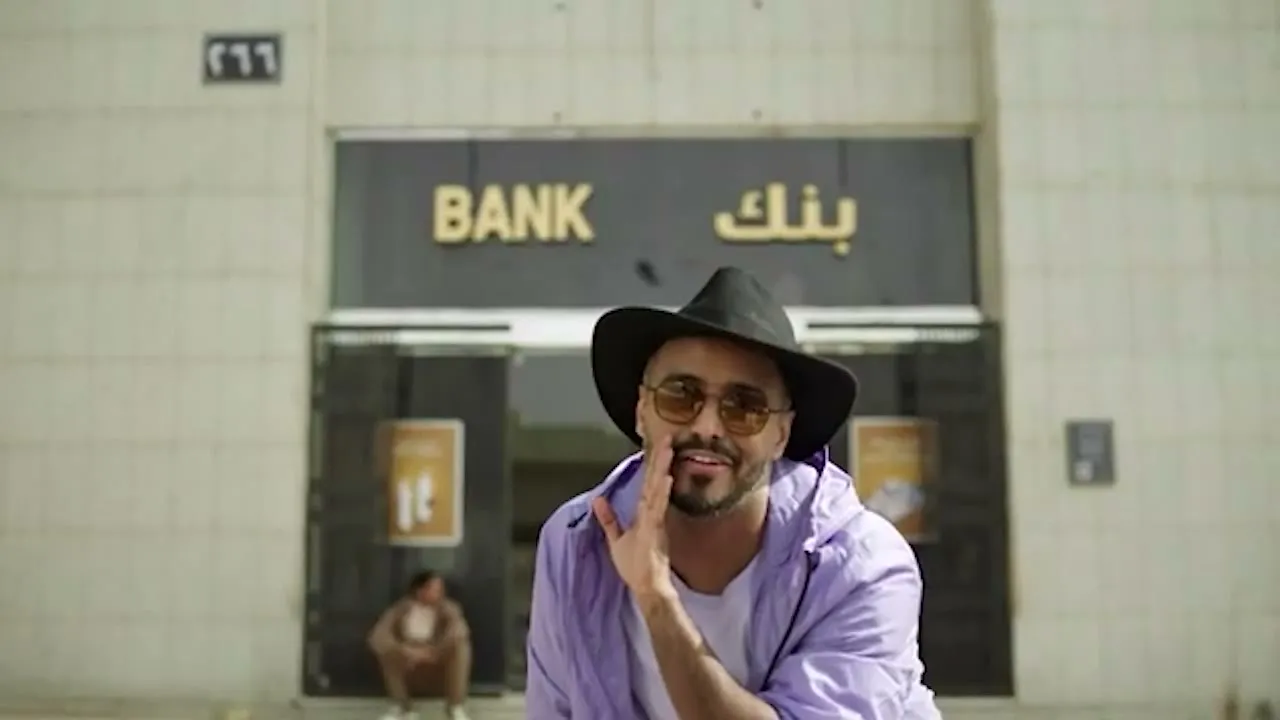
The meem bank campaign pairs creative by THEM AGAIN with production by NaF+BrandFilms.
Production: NaF+BrandFilms